


About the Course
Tree bracing systems can play a vital role in managing structural defects, reducing risk and extending the safe, functional life of valuable trees. When specified and managed correctly, they can provide an effective alternative to more invasive interventions. However, successful bracing depends on a sound understanding of tree biomechanics, likely failure mechanisms and the capabilities and limitations of different bracing systems.
Designed for professional arborists, consultants, local authority tree officers and tree managers, this one-day workshop provides a practical, evidence-based guide to the specification, installation and long-term management of tree bracing systems.
The course explores when bracing is an appropriate intervention, and when it is not, helping delegates make informed tree management decisions. Participants will examine dynamic, static and rod bracing systems, considering their strengths, limitations and suitability for a range of scenarios. Drawing on current industry guidance and best practice, the workshop covers material selection, installation principles, inspection requirements and ongoing management throughout the life of a bracing system.
Through presentations, interactive discuss and case-studies, delegates will develop the knowledge and confidence to assess, specify, inspect and manage tree bracing systems in accordance with current best practice, enabling them to make well-informed, proportionate management decisions.
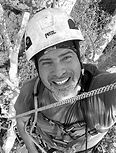
Your Instructor
Matthew Shute
Matthew Shute is a consulting arboriculturist with a strong practical background in tree work. Since focusing on consultancy in 2021, Matthew has specialised in tree safety and the management of ancient and veteran trees. He continues to be involved in selected veteran tree projects, including propping and bracing. He holds Pan-European VETcert qualifications at both contracting and consulting levels and is a VETcert examiner for the Arboricultural Association.
- 01
- 02
- 03
- 04
- 05
- 06